- calendar_today August 9, 2025
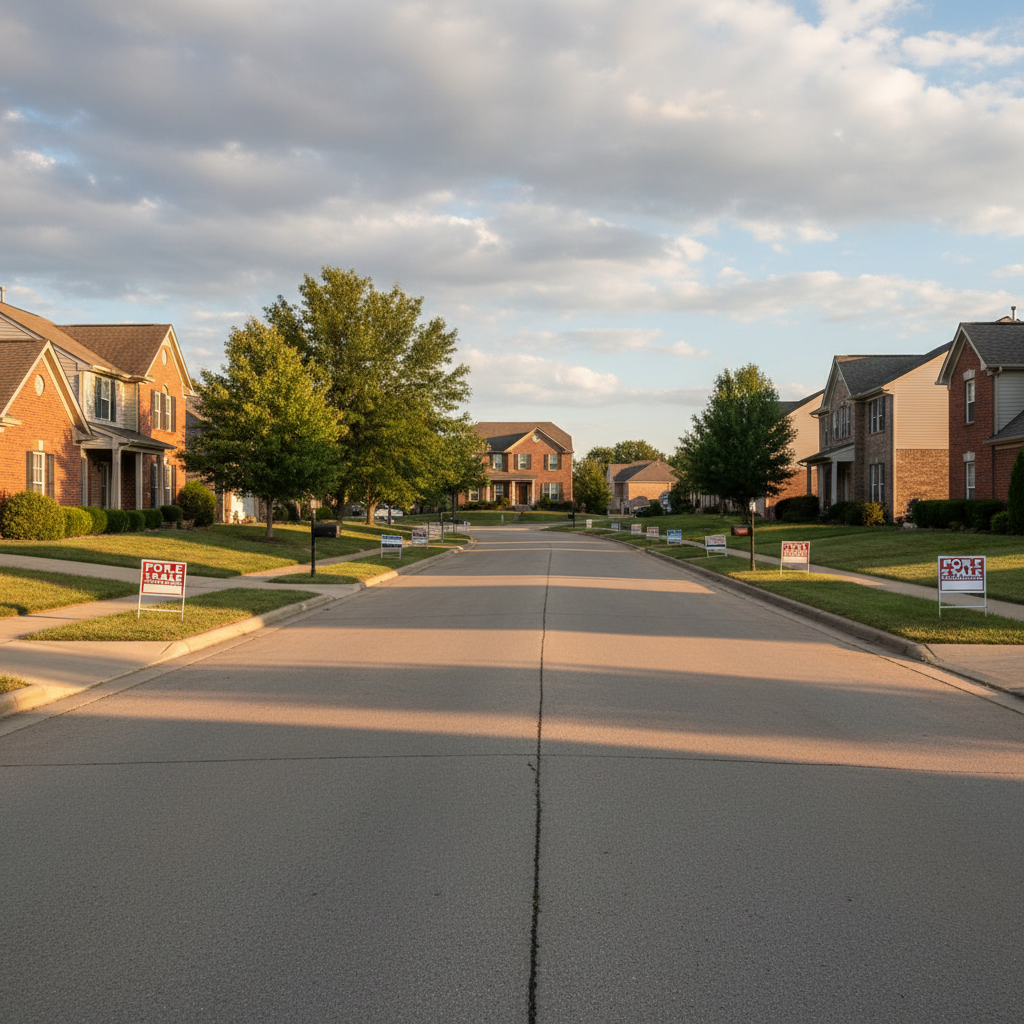
In 2025, Missouri’s housing market has entered a holding pattern. The surge in real estate activity seen during the pandemic years has cooled dramatically, leaving buyers cautious and sellers hesitant. With affordability constraints, high mortgage rates, and stagnant inventory levels affecting every corner of the state—from Kansas City to St. Louis and Springfield—Missouri’s housing market has effectively frozen.
This trend isn’t isolated to Missouri alone, but the state’s particular economic mix and housing supply dynamics make the slowdown more pronounced in some regions than others.
Mortgage Rates Chilling Demand
The sharp rise in mortgage interest rates over the past two years has significantly dampened homebuying activity in Missouri. In 2023, average rates hovered around 6.5%. By mid-2025, many lenders are offering 30-year fixed mortgages at 7% or more.
For Missouri’s median home price of approximately $242,000 (according to Zillow data from early 2025), the monthly mortgage payment for buyers with a 20% down payment has jumped by several hundred dollars compared to just a few years ago. For many households in cities like Jefferson City or Columbia—where incomes have not risen in line with inflation—this has been enough to delay plans to purchase a home.
“Buyers are more hesitant than ever,” says Brian L., a real estate agent in the St. Louis metro area. “They’re either waiting for rates to come down or settling for renting, even if they have solid credit and savings.”
Sellers Stay Put
High rates are also discouraging current homeowners from selling. Many Missourians locked in historically low mortgage rates during 2020–2021, some below 3%. Trading those rates for a 7% mortgage on a new home feels like a financial setback.
This “golden handcuff” effect has led to a sharp drop in new listings. Data from the Missouri REALTORS® Association indicates that new home listings are down nearly 25% year-over-year. Inventory shortages are especially tight in mid-sized markets like Columbia and Cape Girardeau, where new housing development hasn’t kept pace with population growth.
“Even if sellers want to move, they don’t like what they’re seeing on the other side of the transaction,” says Ashley C., a housing analyst based in Springfield. “So they stay put. That leads to a stagnant market.”
Affordability: A Growing Concern
Despite Missouri’s reputation for relatively affordable housing, home prices are still out of reach for many middle-class families. Prices rose more than 30% statewide between 2020 and 2023. Even with some softening in late 2024, Missouri homes are still more expensive relative to wages.
In Kansas City, the median home price in 2025 sits around $285,000, while average annual wages hover near $60,000. That’s a home price-to-income ratio of nearly 5:1—above what’s considered sustainable.
First-time buyers and essential workers are feeling the brunt. “We’ve had clients in the healthcare and education sectors who qualify for down payment assistance, but even with those programs, monthly payments are just too high right now,” explains a mortgage broker in St. Joseph.
Urban and Rural Markets Both Affected
The freeze isn’t limited to big metros. Rural counties in northern Missouri and the Ozarks are seeing subdued activity as well. These areas often attract retirees and second-home buyers, but that segment has pulled back amid economic uncertainty and tighter lending standards.
Meanwhile, urban core neighborhoods in St. Louis and Kansas City are experiencing longer days on market. Homes that once sold in a weekend now sit for months without serious offers.
Builders Are Pressing Pause
Residential construction is also slowing. In 2022, Missouri experienced a modest building boom, especially in suburban areas. But by 2025, builder confidence has dropped. With fewer buyers and higher borrowing costs, developers are delaying or canceling projects altogether.
Permits for new single-family homes in the state are down more than 35% compared to 2022. Many builders are shifting toward multifamily rental units, responding to the demand for alternatives to ownership.
“We’re adjusting to the new market realities,” says a regional developer based in Lee’s Summit. “It’s hard to justify building homes people can’t afford or don’t want to buy in this interest rate environment.”
Rental Market Getting Tighter
The housing freeze has led to a shift toward renting, putting pressure on the state’s rental market. In cities like Columbia and Kansas City, rental vacancy rates have dipped below 5%, pushing rents upward.
Landlords are taking advantage of the increased demand. Average monthly rents in St. Louis have climbed 8% over the past year, and even rural areas are seeing price hikes.
For many Missourians, renting has become the only viable option. But as rents rise, it’s putting added stress on household budgets already impacted by inflation in other areas like groceries, utilities, and transportation.
What Could Thaw the Market?
Experts suggest a few things could start to unlock Missouri’s housing market:
- Mortgage rate relief: If the Federal Reserve signals a rate cut or if inflation stabilizes, mortgage rates could drop into the 6% range. That alone could reignite buyer interest.
- Targeted affordability programs: Statewide initiatives to support first-time homebuyers or reduce property taxes could help spur movement.
- Wage growth: If Missouri’s job market continues to improve, especially in healthcare, logistics, and technology, increased wages could improve affordability metrics over time.
Until then, the market appears to be in a deep freeze.
Outlook for the Remainder of 2025
Looking ahead, real estate professionals across Missouri anticipate more of the same—low inventory, cautious buyers, and hesitant sellers. Some predict a modest uptick in activity in late fall, traditionally a quieter season, if interest rates show any signs of softening.
But without a major catalyst, Missouri’s housing market will likely remain stuck in neutral.
“Everyone is waiting for someone else to make the first move,” says Brian L. from St. Louis. “But in this kind of climate, nobody wants to go first.”
The 2025 housing freeze in Missouri is being driven by a complex mix of economic pressure, psychological hesitation, and structural imbalance. With affordability squeezed and activity subdued, the state’s real estate sector is largely in wait-and-see mode. Until broader shifts occur in interest rates, wage growth, or housing policy, Missouri’s market is likely to remain on pause.