- calendar_today July 28, 2026
Missouri — As the state approaches another vote on the Missouri conservation tax, residents across the region are reminded of the vital role this one-tenth of 1% sales tax plays in preserving Missouri’s natural heritage. Established decades ago, the conservation tax supports a host of initiatives, from state parks funding to water resource protection, ensuring that Missouri’s unique landscapes remain accessible and pristine for generations.
Core Funding for State Parks and Historic Sites
The Missouri conservation tax supplies approximately 75% of state parks funding, underwriting the ongoing operation and maintenance of Missouri state parks and historic sites. Thanks to this support, millions of residents and visitors can enjoy free park entrance fee access at the majority of park locations, fostering outdoor recreation and tourism. The consistent renewal of this tax has played a central role in developing one of the nation’s most celebrated state park systems.
Advancing Soil Conservation Efforts
In Missouri’s strong agricultural communities, soil conservation is a cornerstone of productivity. The conservation tax funds essential programs that combat soil erosion and improve farmland viability, enabling farmers to steward the land for future harvests. Partnerships with local conservation districts result in practical solutions, from terraces and ponds to strategic planting, all supported by soils and water tax proceeds.
Safeguarding Water Resources
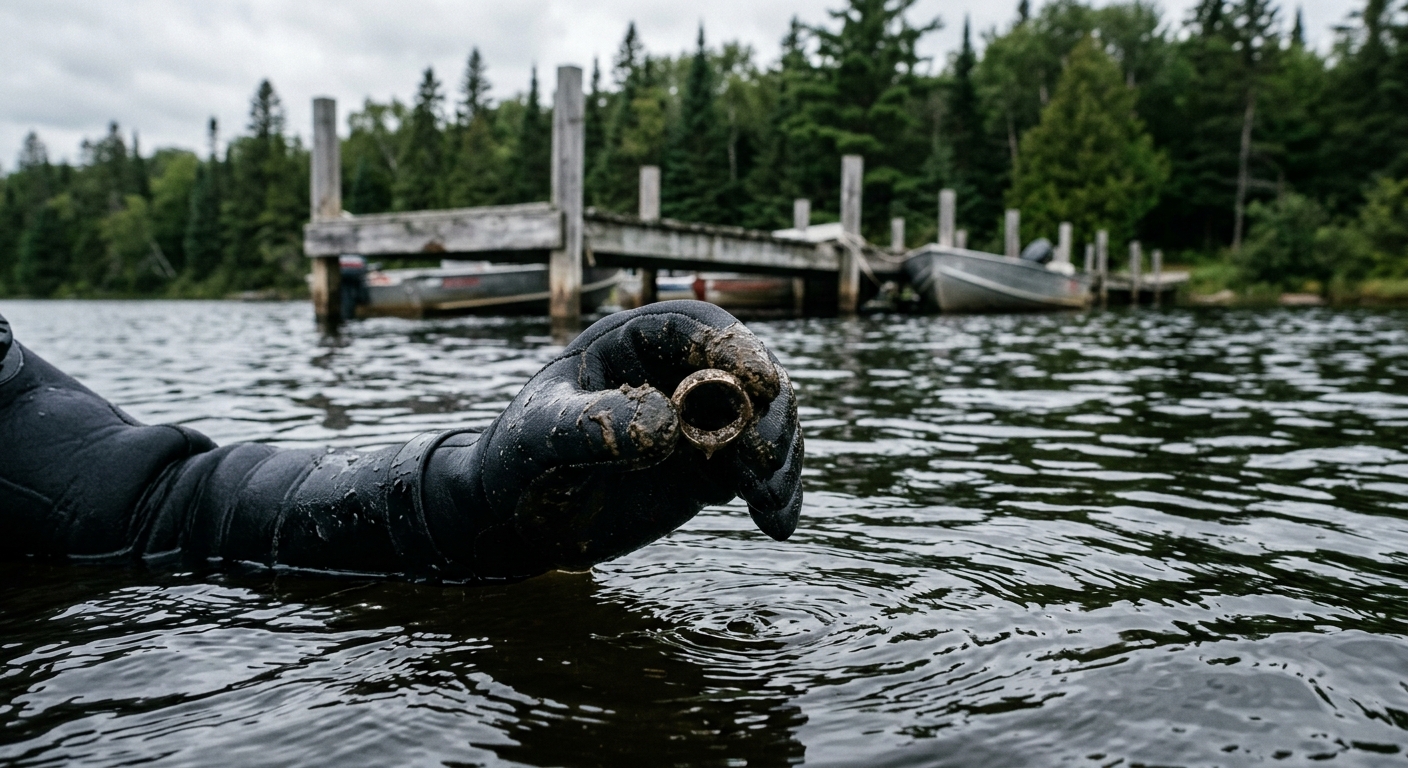
Protecting rivers, lakes, and streams is a top priority. Through water resource protection, the Missouri conservation tax helps maintain cleaner water for both people and wildlife. Funding supports projects that restore aquatic habitats, monitor water quality, and support recreational activities such as fishing. Ensuring healthy streams and clean water is crucial to Missouri’s communities, bolstering quality of life and environmental sustainability.
Legacy of the State Park System
Missouri’s state park system has long been viewed as a model nationwide, in part due to steadfast investment from the conservation tax. Enhanced trails, restored historic sites, and specialty programs at Missouri state parks offer residents and tourists abundant opportunities for education and leisure. Initiatives funded by the tax attract outdoor enthusiasts and preserve cultural landmarks alike.
Personal Impact: Local Conservation in Action
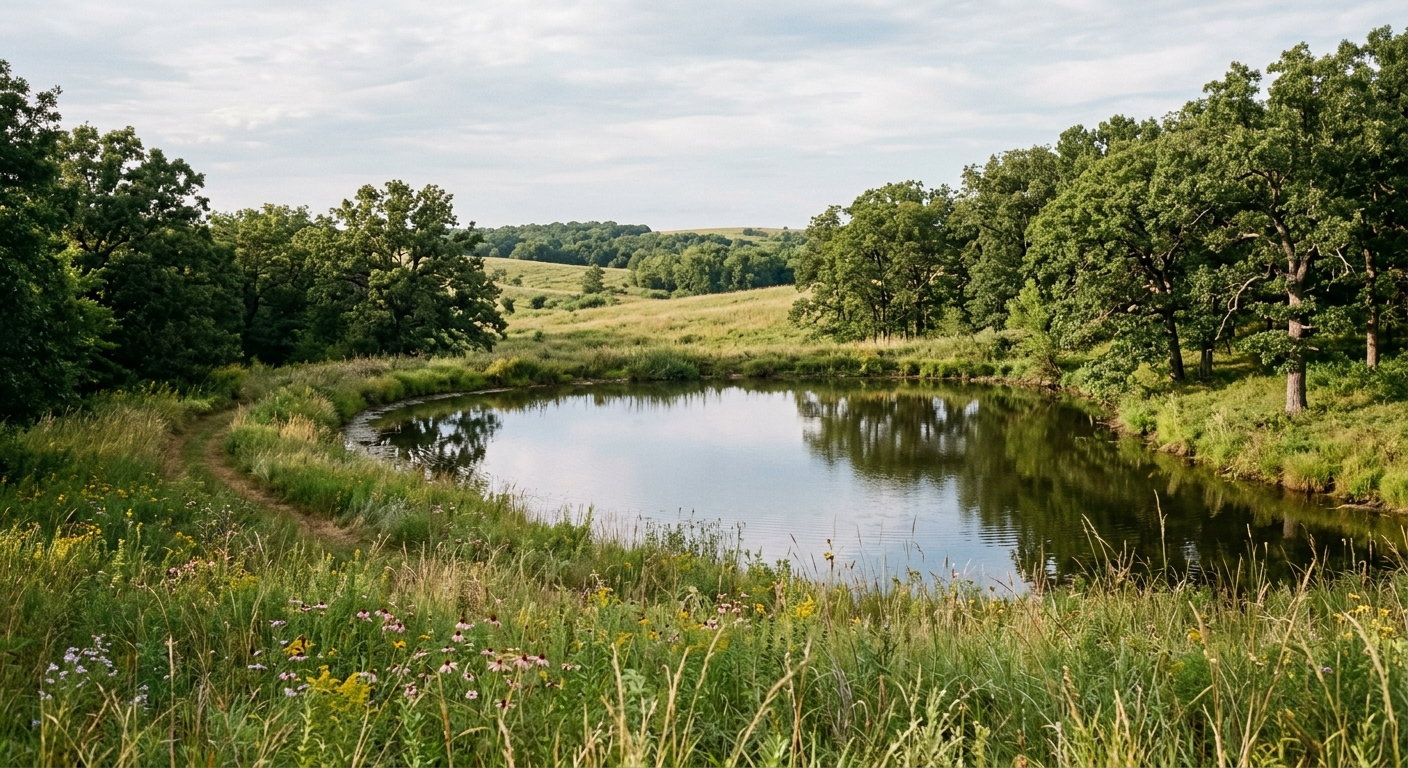
One notable example comes from rural Missouri, where the construction of a conservation pond on a family farm—supported by soil and water conservation district resources—demonstrates tangible benefits. These efforts, guided by local expertise, help families and communities maintain productive land while protecting natural resources for future generations.
Accessible Parks for All Missourians
The absence of a general park entrance fee at most Missouri parks stands as a testament to the tax’s role in promoting inclusivity in outdoor recreation. Accessible parks inspire healthy living, social interaction, and environmental appreciation among residents across the region.
Decade of Voter Support and the Path Forward
Every ten years, the future of this funding is placed before Missouri voters in a park funding renewal decision. Repeatedly, the renewal has passed with overwhelming support, reflecting widespread recognition of its tangible benefits. Stakeholders from agricultural, tourism, and environmental sectors have voiced their backing, underscoring the tax’s importance to the region’s economy and lifestyle.
Ensuring the Future of Conservation
As the next vote on renewal approaches, local leaders and advocates encourage a community-wide commitment to the Missouri conservation tax. Its continuation means sustained investment in soil and water projects, robust parks, and the protection of the state’s treasured natural resources. Residents across Missouri recognize that ongoing support is essential to guarantee that present and future generations enjoy these benefits in every corner of the region.