- calendar_today August 12, 2025
Missouri farmers and businesses are facing economic uncertainty because of Trump’s trade policy, which leads to market instability and escalating expenses.
Tariffs and renegotiated trade agreements rippling through the local economic landscape are confronting Missouri, known for its strong manufacturing and agricultural industries.
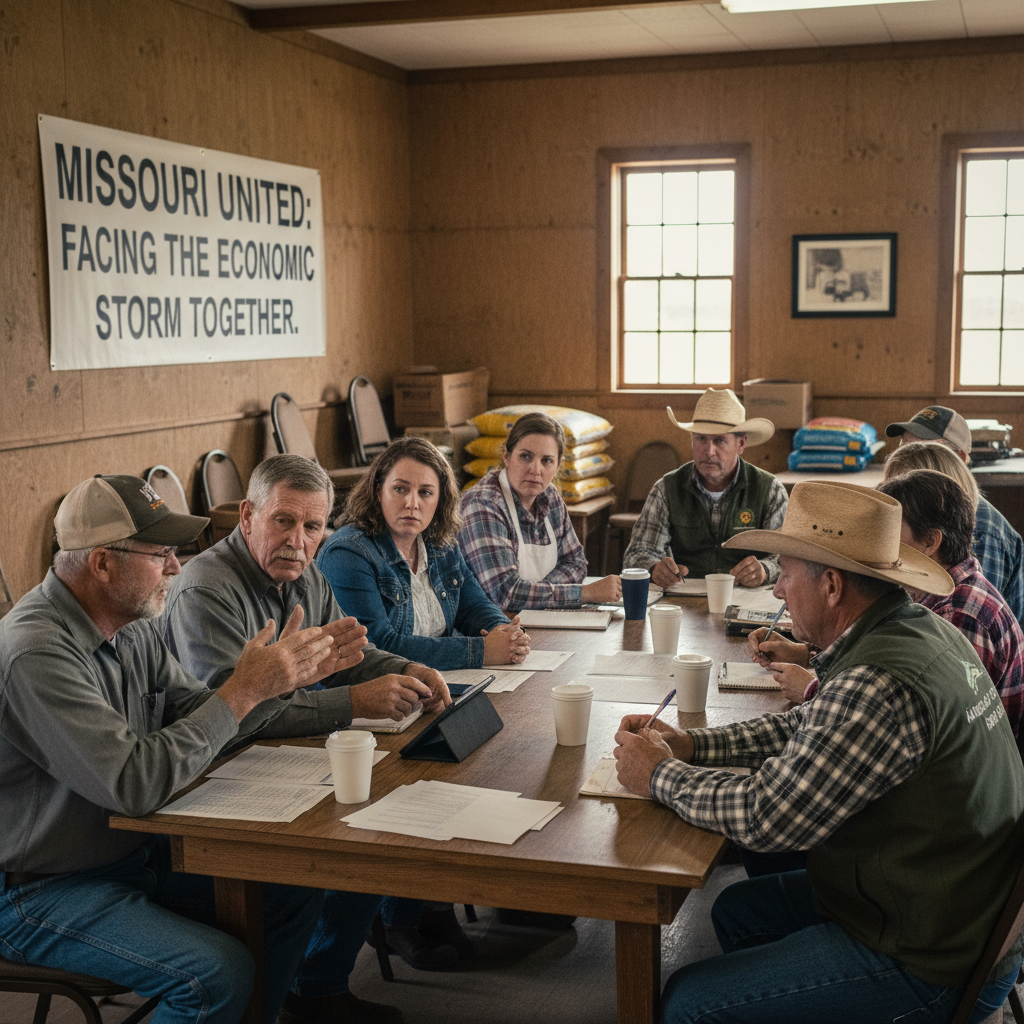
From St. Louis to Kansas City, the ramifications of these trade shifts are being felt across occupations. Farmers, small business owners, and investors in Missouri are adjusting to this new economic reality of rising costs and volatile consumer demand.
Missouri’s Manufacturing Industry Reeling Under Higher Costs
Missouri’s manufacturing industry, known to be the vital stem for the state’s economy, is having problems with costs-plus tariffs on imported raw materials. Sectors using steel, aluminum, and automotive parts are facing increased production costs, squeezing profit margins.
In St. Louis, the producers of machinery, appliances, and automobile components have all indicated sinister price hikes on imported raw materials. These increased costs are being passed on to consumers, leading to higher prices on finished products.
Economic experts warn that continued uncertainty over trade policies could slow future investments in Missouri’s industrial sector, particularly as businesses delay expansion plans due to the unpredictable trade environment.
Agriculture Faces Export Challenges
Missouri’s agriculture industry, particularly soybean and livestock producers, is bearing the brunt of retaliatory tariffs from key trading partners like China. Historically, Missouri farmers have relied on export markets to drive growth, but the current trade climate threatens those partnerships.
Rural Missouri soybean farmers are experiencing a precipitous drop in exports, translating to lower commodity prices and reduced farm income. Since China is reducing its imports from American agriculture, farmers have been forced to find alternative markets where they can sell their produce.
The local officials and federal policymakers are being asked by farmers from the areas to settle trade tensions immediately. The small and medium-sized farms have the potential to become a chronic budget weakness unless something happens with the issue. Small Businesses Adjust to Rising Costs
Missouri small businesses are confronted with a challenging business climate from rising import prices and supply chain disruption. Builders, retailers, and technology companies are being forced to adjust to higher costs stemming from tariff-related price increases.
In Kansas City, entrepreneurs speak of breathtaking rises in the price of imported consumer electronics, building materials, and consumer goods. In order to stay competitive, some businesses have absorbed the loss on these expenses, while others have increased prices to keep profit margins intact.
Missouri business communities are advocating for policy changes that will reduce pressure on small enterprises. They claim that prolonged trade uncertainty may hamper hiring and growth in the state’s diverse business environment.
Financial Markets Experience Volatility
Missouri’s financial markets are not immune to the economic turbulence caused by Trump’s trade policies. Investment firms in major hubs like St. Louis and Jefferson City are closely monitoring market volatility as investors react to trade-related uncertainty.
Domestic wealth managers are persuading clients to choose conservative assets, emphasizing home-country sectors that have fewer opportunities to be hurt by trade disruptions elsewhere in the world. Clients have been urged by some firms to place increased bets on domestic sectors like healthcare and renewable energy to protect the portfolio from outside strife.
End-users were seeing rising prices.
Missourians are finally seeing the economic effect of higher tariffs in the way of higher consumer prices on essentials. From the appliances that line homes to the cars, everything is more expensive because of imports, which sucks money out of consumers and out of local economies.
Suburban communities like Columbia and Springfield are showing greater prices on consumer staples. This cost restriction is particularly troubling to middle-income households, which are already under financial pressure.
Economists say that if tensions in trade continue to increase, consumers will see greater inflation and reduced economic confidence, which will reduce local economic activity.
Political and Business Leaders Seek Clarity
Missouri’s political leaders and business organizations are advocating for clearer trade policies to stabilize the local economy. State officials have called on the federal government to prioritize Missouri’s economic interests while addressing global trade disputes.
Local business groups and chambers of commerce are collaborating together to rally open discussion between federal agencies and state leadership. They are convinced long-term economic stability hinges on building a trading environment that benefits local businesses and foreign partnerships.
The Path Forward for Missouri
As Trump’s trade policies further mold the economy of Missouri, consumers and businesses are bracing themselves for an era of economic adjustment. While certain sectors will gain from protectionist policies at home, other sectors continue to experience financial pressures and market uncertainty.
The success of the state in managing trade volatility will ride on the partnership of public and private sectors in safeguarding domestic interests while staying competitively global. The economic future for Missouri is still in limbo, but policy clarification and trade settlements will be essential in bringing back market stability and ensuring long-term growth.