- calendar_today August 9, 2025
A recent survey found Argentine President Javier Milei lost public confidence dramatically despite his libertarian stance and controversial presidency. A survey by Zuban Córdoba conducted from March 12-14 with 1,600 participants revealed that 57.6% of Argentinians distrust their president at a 95% confidence level with a 2.4% margin of error. Public sentiment plummeted shortly after allegations emerged about President Milei’s involvement in the LIBRA cryptocurrency scandal, which caused severe financial losses for many investors.
The Zuban Córdoba report shows a clear depiction of increasing discontent towards the current government. Negative sentiment develops at a gradual yet continuous pace without showing signs of stopping. As additional problematic political matters come to light, the evaluation and perception of the government continues to solidify into a more critical stance. The report stated that the theme of recent months has been one continuous bloodbath after another, while showing how the crisis sentiment among people increases.
After the cryptocurrency scandal broke more than four weeks ago, a survey found that only 36% of respondents trusted Milei. The survey showed that 6.4% of respondents had not made up their minds, which resulted in a majority expressing distrust towards the subject. The event severely damages Milei’s trustworthiness while creating doubts about his ability to lead. A majority of respondents now have a negative perception of him at 58.5%, while 41.1% continue to hold a favorable view. The public’s approval of Milei’s administration reflects this negative sentiment. The majority of respondents, at 58.4%, reject his management style, but 41.6% still back him. The data reveals an expanding societal division in Argentina about the leadership and policies of Milei.
The LIBRA Cryptocurrency Scandal and Its Fallout
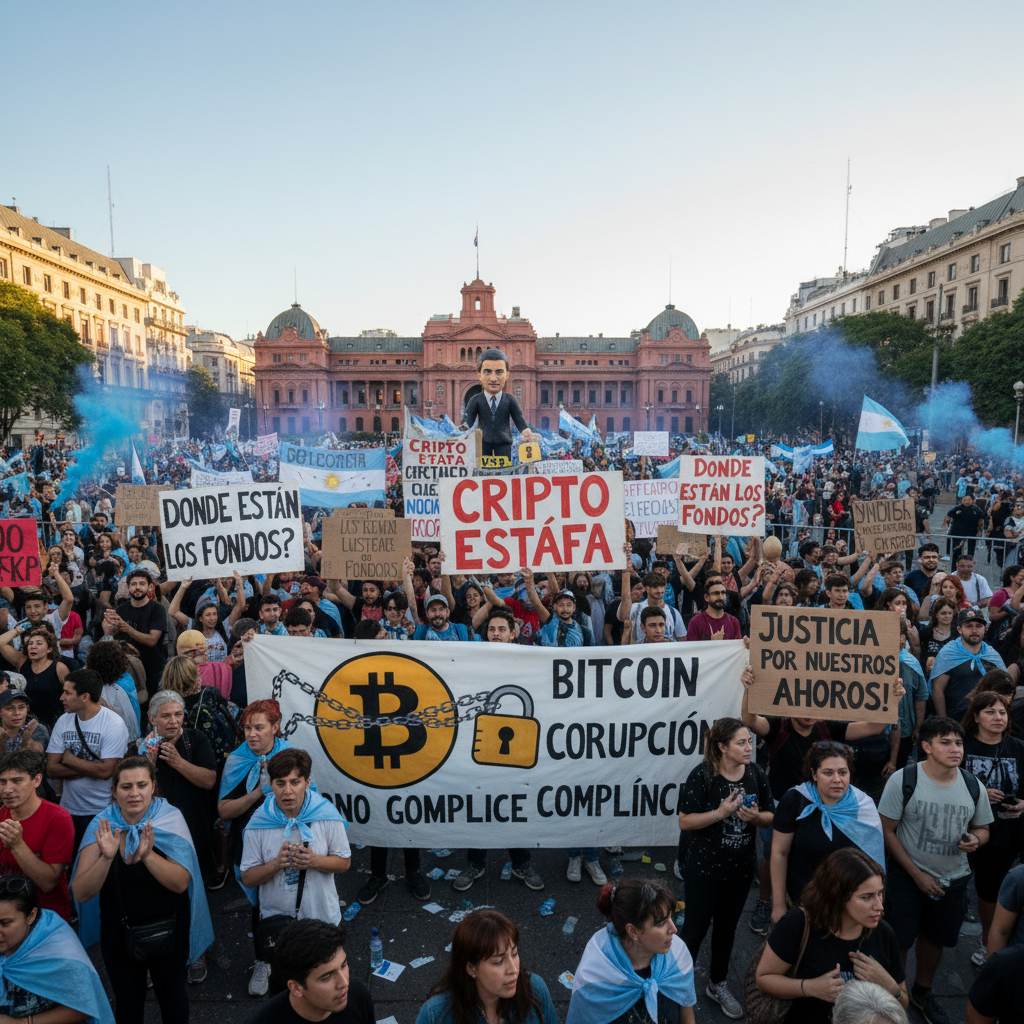
This loss of public confidence originated from the LIBRA cryptocurrency scandal that broke out on February 14. The now-removed X post by Milei featured a promotion of the new cryptocurrency. The cryptocurrency token achieved a market cap above $4 billion within just a few hours. The token’s explosive growth proved ephemeral because its value dropped by more than 95% after early investors and alleged insiders liquidated their shares.
Nansen’s analysis revealed that insiders and bots collected $180 million in profits while 86% of LIBRA investors faced $251 million in losses. Thousands of investors who supported Milei suffered devastating financial losses due to this event.
Milei sought to separate himself from the project by stating his role was limited to sharing information about LIBRA without any intention to support it. The public’s outrage and legal examination remained strong despite Milei’s explanation. The aftermath of the event saw numerous criminal complaints being filed against President Milei and his associates, while Argentine authorities initiated a federal investigation into his participation.
Political Landscape and Future Implications
Even after his reputation suffered damage, La Libertad Avanza remains ahead in election polls preceding the October 26 vote. Public support for the party stands at 36.7% while the opposition coalition Unión por la Patria receives 32.5% backing. Although the scandal has caused serious damage to Milei’s public image and diminished trust in him, it has not managed to destroy his political movement. The approaching elections will challenge his political standing as he faces increasing public skepticism and legal issues.
The current situation demonstrates the unstable nature of Argentine public opinion while revealing the difficulties Milei encounters as he manages Argentina’s intricate political environment. His presidency’s path and Argentina’s political direction will be shaped by the interaction between his economic strategies, public statements, and LIBRA scandal investigations. Survey findings reveal a pivotal moment in Milei’s political journey while emphasizing the fragile status of public confidence and the possibility of swift changes in political backing.