- calendar_today August 8, 2025
Auto Manufacturers in Missouri Face Rising Costs and Uncertainty Due to Tariff Policies
Discover how former President Trump’s trade policy changes are impacting Missouri’s luxury auto sector, leading to rising costs, production challenges, and financial losses.
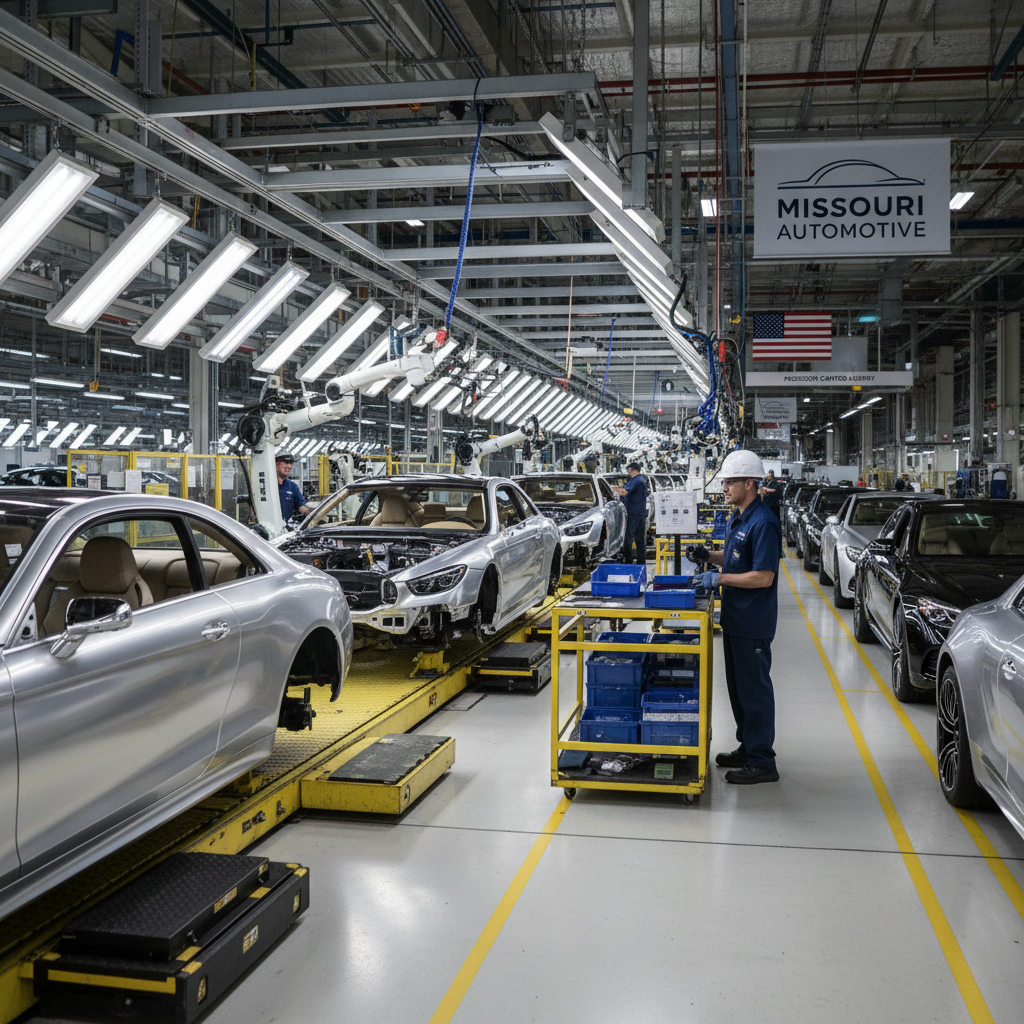
Missouri’s luxury auto industry is feeling the strain as former President Donald Trump’s trade policies continue to create turbulence in 2025. With tariffs on imported automotive parts and materials, manufacturers in the state are grappling with rising costs, reduced consumer demand, and fears of further economic instability. This ongoing trade battle is causing millions in losses for luxury auto brands with strong ties to Missouri’s manufacturing hubs.
Impact of Tariffs on Missouri’s Auto Sector
Missouri is home to key automotive manufacturing facilities, including plants operated by General Motors and Ford. The Trump administration’s tariffs on steel, aluminum, and imported automotive parts have significantly increased production costs for these facilities. Analysts estimate that the tariffs have added thousands of dollars to the cost of producing each vehicle, especially in the luxury segment where imported parts are prevalent.
Industry experts suggest that Missouri’s auto sector has faced some of the steepest financial losses due to these trade policies. In 2025, luxury automakers operating within the state reported a 15% increase in material costs. This increase is largely attributed to tariffs on parts sourced from countries like Germany, Japan, and China—key suppliers for high-end vehicles.
General Motors Faces the Fallout
One of the most impacted companies is General Motors (GM), which operates a major assembly plant in Wentzville, Missouri. GM’s reliance on imported components for its Cadillac and Buick lines means that tariff increases directly affect their bottom line.
In early 2025, GM reported that tariffs had contributed to a $220 million increase in annual operating costs. As a result, the company announced production slowdowns on several luxury models and warned that further tariffs could force them to scale back investment in the region.
Job Losses and Economic Impact
Beyond corporate losses, the broader economic impact on Missouri is becoming evident. Rising production costs and uncertainty around future trade policies have led to job cuts and plant slowdowns.
According to the Missouri Department of Economic Development, the state’s automotive sector has lost approximately 2,500 jobs since 2023. Experts warn that continued trade restrictions could exacerbate these losses, with ripple effects on local economies dependent on auto manufacturing.
Consumer Impact and Rising Prices
Consumers in Missouri are also feeling the pinch. Luxury vehicle prices have risen by an average of $5,000 to $8,000 due to increased import costs, making premium cars less accessible. With Missouri’s average household income below the national median, these price hikes are putting luxury vehicles out of reach for many buyers.
Additionally, auto dealerships across the state are reporting slower sales and increased inventories. Dealers have expressed concerns that if the trade policies continue without adjustment, many may need to reduce staff or shut down entirely.
Industry Advocacy and Calls for Policy Change
Industry leaders and trade associations in Missouri are urging policymakers to reconsider the tariffs and introduce more balanced trade regulations. The Alliance for Automotive Innovation, representing major automakers, has lobbied the federal government to provide relief and protect the U.S. automotive supply chain.
There is also mounting pressure from state officials to secure exemptions for critical automotive imports. In March 2025, Missouri Governor Mike Parson publicly called for a reevaluation of the tariff structure to protect the state’s economy and manufacturing jobs.
Future Outlook
As the 2024 presidential election’s aftermath continues to shape U.S. trade policy, Missouri’s luxury auto sector faces an uncertain future. If tariffs remain in place or increase, further production cuts, job losses, and financial strain on local businesses could follow.
However, there are signs that political and industry pressure may prompt a policy shift. In recent months, there have been discussions in Washington about easing tariffs on automotive parts—a move that could bring much-needed relief to Missouri’s auto manufacturers and workers.
For now, the state’s luxury auto industry remains on edge, hoping for a reversal of the policies that have caused financial turmoil and disrupted a once-thriving sector.
Related Articles: