- calendar_today August 27, 2025
NASA delayed a commercial astronaut mission to the ISS after discovering another air leak. NASA postponed Axiom Mission 4 because of this problem but did not release much information to the public. NASA officials and engineers are becoming increasingly worried about the situation behind closed doors.
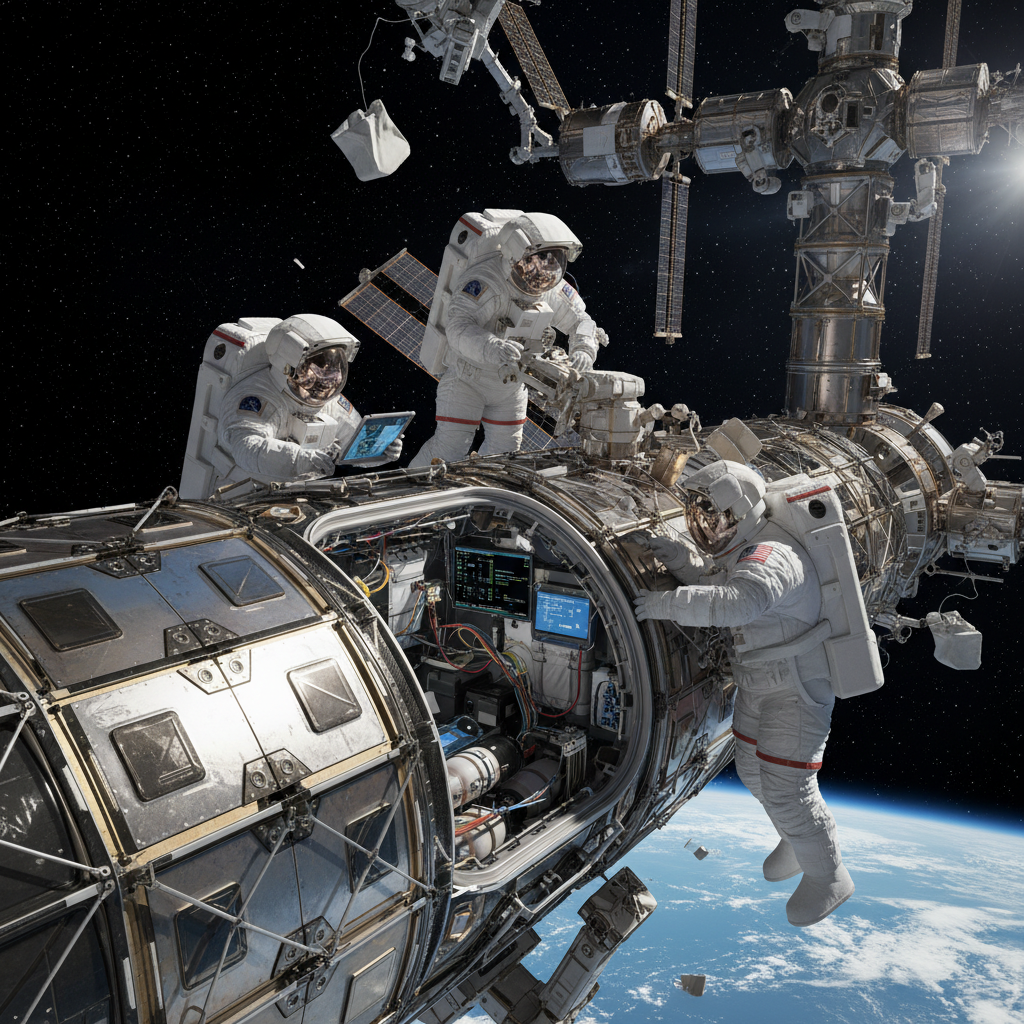
This leak is not an isolated incident. Since 2019 the ISS has consistently experienced a slow air leak. The Russian Zvezda service module which serves as one of the station’s earliest parts since its 2000 launch became the source of the leak. The problem exists within a connecting tunnel named PrK that links Zvezda to the docking port for Soyuz crew vehicles and Progress resupply spacecraft. Russian cosmonauts have tried multiple times to fix the small cracks found in the PrK section. Despite these actions the leak rate decreased but continued to persist. When the situation deteriorated completely the station would lose two pounds of air daily. The most effective solution so far involves keeping the PrK hatch closed unless a spacecraft arrives to dock at the port.
Recent weeks demonstrated signs of progress in resolving the problem. The Russian space agency Roscosmos announced last month that they had finished repairing the PrK module which is now fully sealed. NASA issued a similar statement. The two organizations confirmed that the previous leak inside the module had been stopped. That news should have brought relief. But it didn’t.
The ISS continued experiencing air pressure loss despite successfully sealing the PrK module. Two sources familiar with the situation confirmed that engineers remain confused and new concerns have developed. Despite the leaking module being secured after five years, why does the station continue to lose air? The dominant hypothesis suggests that the compromised hatch seals leading to the PrK may be the source of the problem. The station’s air leaks through the hatch seals into the PrK during this situation. Since the module maintains constant pressure through its tight seal it appears that no air is leaking even though the entire station continues to experience atmospheric loss.
NASA is now closely monitoring the situation. The agency demonstrates serious attention toward this problem internally. A high-level official conveyed that the ISS program is experiencing a state of concern. NASA postponed Axiom Mission 4 because it had originally been planned to launch this week. NASA confirmed the launch delay provides extra time to assess the situation and decide on further troubleshooting requirements. The launch date has been rescheduled for June 18 but will change based on the leak’s development and the discovery of a definitive solution.
There’s another reason this situation is so troubling: the risk of high cycle fatigue. Metals including aluminum experience this structural fatigue through repeated stress over time. The process resembles bending a paperclip back and forth continuously until it breaks. The ISS components that have been operational in space for several decades, especially older sections such as Zvezda, now display evidence of wear. NASA has determined structural cracking to be the top threat on its 5×5 risk matrix that evaluates both hazard probability and severity.
High cycle fatigue represents a real and substantial risk to structural integrity. Aloha Airlines Flight 243 faced a catastrophic structural failure in 1988 when a weakened fuselage section tore loose during flight and left passengers exposed to the open air. The aircraft managed to land without incident but this case shows how metal fatigue can unexpectedly produce dangerous failures.
NASA remains silent on the escalating public worries about metal fatigue. The agency has yet to arrange a press conference while failing to respond to numerous journalist inquiries. The latest official NASA announcement confirms that the station’s crew can carry out regular tasks safely yet despite this assurance the increasing signs of material fatigue on the aging ISS suggest the current problem could indicate serious structural weaknesses.