- calendar_today August 23, 2025
Rising Federal Debt Sparks Concerns for Businesses, Workers, and Farmers
Introduction
As the U.S. national debt rises ever higher, the Missouri economy is in doubt. With record levels of federal borrowing, prospects for increasing interest rates, inflation, and government expense reductions are growing. Entrepreneurs, farmers, and employees throughout the state are keeping a close eye on how this surge in debt might affect local businesses, consumer spending, and economic development.
Missouri, with a diversified economy in agricultural, manufacturing, and retail sectors, can be threatened as well as offered opportunities in the future. Although increased federal expenditures can mean expenditures on infrastructure and new jobs, increased debt can mean less government support and increased borrowing costs to people and businesses.
Most Significant Economic Concerns of Missouri
1. Interest Rates and Borrowing Costs
One of the most direct issues is the threat of higher interest rates. The more the federal government borrows, the more it drives interest rates up. This implies:
- Companies will pay more when they borrow to grow or invest in new ventures.
- Home buyers might find it difficult with higher mortgage rates.
- Farmers who borrow funds to buy land and equipment may have a harder time finding reasonable loans.
2. Inflation and Higher Costs
More debt also brings with it the threat of inflation, i.e., the prices of goods and services increase. Missourians are already seeing higher costs for such necessities as groceries, gasoline, and housing. If it continues, it will further add to it being more difficult for families to maintain their budgets within and for businesses to maintain costs.
3. Government Spending and Budget Cuts
Missouri relies on federal funding for various programs, including:
- Infrastructure projects (roads, bridges, public transit)
- Agricultural subsidies (support for farmers and rural communities)
- Healthcare and social services
If the national debt forces the federal government to cut spending in these areas, Missouri could see reduced support, leading to job losses and fewer resources for public services.
Impact on Missouri’s Key Industries
1. Agriculture: Farmers Face Economic Pressures
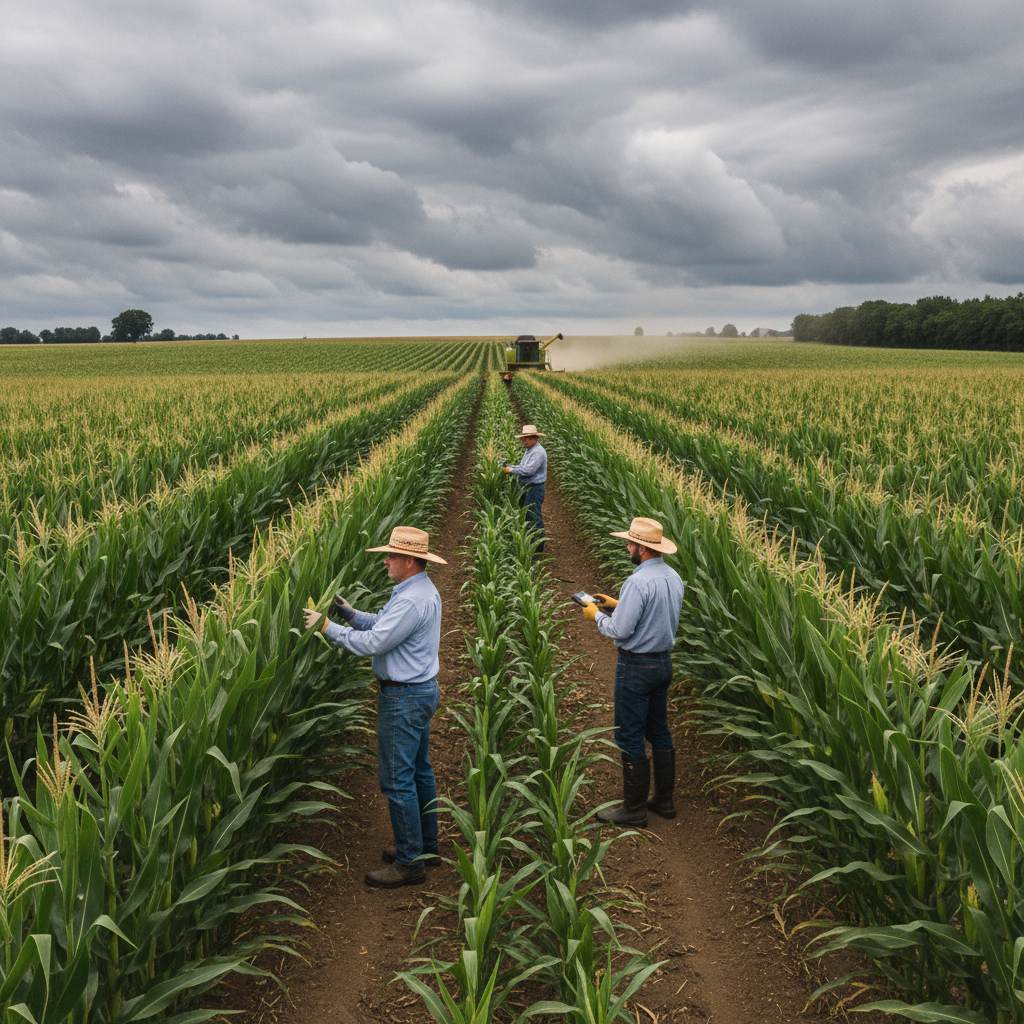
Missouri is a large corn, soybean, beef, and dairy producer. Farmers rely on federal subsidies to maintain profitability, and reductions in farm programs expenditures would be detrimental to their operations. Increased interest rates would make it more difficult for farmers to purchase new equipment or increase production.
What Farmers Are Saying:
Others fear that deficit-reduction spending cuts will cut into farm support programs, reducing benefits to farmers.
Others worry that inflation will continue to increase the price of seeds, fertilizer, and fuel.
2. Manufacturing: Increased Costs and Reduced Growth
Missouri manufacturing, which includes automotive manufacturing, aerospace, and industrial equipment, will also be challenged. Companies will put off hiring new workers or expanding if borrowing costs more. Supply chain disruptions from inflation can also affect manufacturing.
3. Small Businesses: Loan and Consumer Spending Issues
Small businesses are the backbone of Missouri’s economy, but they may struggle if borrowing becomes more expensive. Rising inflation could also discourage consumers from spending, affecting retail shops, restaurants, and service providers across the state.
How Missouri is Preparing for Economic Uncertainty
1. State Policy and Economic Strategies
Missouri’s government is considering ways to protect the state’s economy from potential fallout. Some possible solutions include:
- Growing state-level infrastructure projects to accelerate job growth.
- Providing small business financing programs.
- Supporting local farmers with state-funded farm initiatives.
2. Business and Community Resilience
Missouri enterprises are responding to the shifting economic climate by:
- Reducing wasteful spending.
- Refer to alternative sources of funding.
- Diversifying their supply chain to save on costs.
3. Personal Financial Planning
In preparation for economic uncertainty in the future, Missouri residents should be counseled by financial planners to:
- Save more and cut wasteful spending.
- Not incur high-interest debt.
- Remain aware of possible alterations in government programs that can impact them.
Future Outlook
Though challenging, the economy of Missouri has been robust in the past. The agricultural, industrial, and small business sectors of the state can possibly cushion some of the blow from increasing debt and economic instability.
But a great deal will rest on federal debt handling, interest rates, and inflation over the next several months. If circumstances worsen, Missouri can expect decelerating growth and tighter financial conditions. But if policies work to reconcile spending with debt handling, the state’s businesses and laborers will keep prospering.
Conclusion
Missouri is at a turning point economically as the U.S. debt explosion threatens to increase interest rates, inflation, and federal outlays. While certain sectors are poised to gain from government spending, others could be saddled with added costs of borrowing and possibly reduced budgets.
As policymakers, companies, and citizens prepare for an uncertain economic future, being knowledgeable and taking the initiative will be the way to get through these difficulties. The ability of Missouri to survive the impact of national debt on its economy will hinge on how well it can adapt.