- calendar_today August 7, 2025
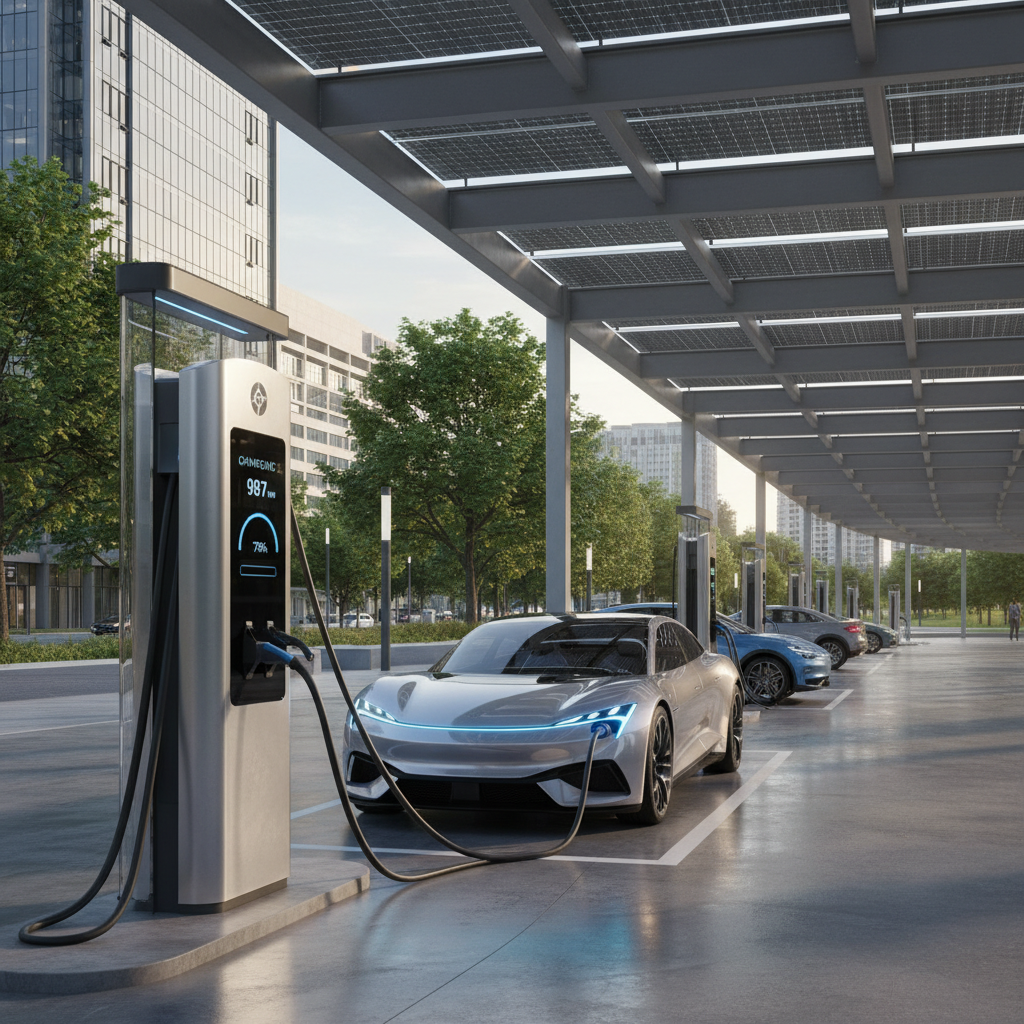
The introduction of BYD’s 1,000 kW charging technology has generated widespread attention due to its potential to greatly enhance electric vehicle charging efficiency. The company states that its “super e-platform” can deliver up to 249 miles (400 km) additional range within five minutes thanks to its 10C charging ability. A proper understanding of how kilowatts translate into kilometers is essential to evaluate this technology’s practical impact. This analysis will explore technical specifications while studying the elements that determine charging efficiency.
BYD has established its innovative edge by developing a 10C charging capability together with a 1,000 kW DC charger. The system achieves quick energy movement to the battery which slashes charging duration significantly. BYD’s 1,000 kW system outpaces industry standards by delivering a significant technological leap beyond Tesla’s 250 kW Superchargers and Electrify America’s 350 kW chargers. BYD chairperson Wang Chuanfu declared their objective to enable electric vehicle charging speeds to match those of gasoline car refueling.
Understanding the Technical Specifications
10C Charging Rate: The charging rate refers to how fast the battery can receive power where “C” stands for the battery’s total capacity. Under optimal conditions a battery with a 10C rate achieves full charge within 6 minutes which equates to 1/10th of an hour.
1,000 kW DC Charger: The high-power charger provides the battery with large amounts of energy quickly to facilitate fast range recovery.
Factors Affecting Charging Efficiency
Battery Temperature: The charging process reaches maximum efficiency when operating inside a designated temperature range. The charging process faces delays under extreme temperatures which could also lead to battery damage.
Battery State of Charge (SOC): The battery charging speed slows down as it reaches near maximum capacity. At the start of charging while the battery has a lower state of charge (SOC) charging occurs at maximum speed.
Charging Infrastructure: The performance and reliability of the charging infrastructure directly affects the ability to achieve advertised charging rates.
Range Estimation Standards: BYD’s reported 249-mile range comes from the CLTC standard which provides more favorable results compared to the US EPA standard.
Real-World Implications
The capability to increase EV range by 249 miles in just five minutes represents a major development for widespread electric vehicle adoption. It addresses a major consumer concern: range anxiety and lengthy charging times. Users need to understand that real-world charging efficiency will change based on previously mentioned factors.
Analyzing Kilowatts to Kilometers
Energy Transfer: The 1,000 kW charger delivers a substantial energy load to the battery within a brief timespan. The transferred energy gets converted to practical driving distance measured by kilometers or miles.
Efficiency Losses: Energy dissipation occurs during charging because of heat and other variables. The real-world range added during charging tends to be somewhat lower than what theoretical calculations suggest.
Vehicle Efficiency: The range added during charging depends partly on how many kilometers the vehicle travels per kilowatt-hour of energy consumed. Vehicles with higher efficiency ratings achieve greater travel distances when utilizing identical energy quantities.
The 1,000 kW charging technology developed by BYD brings about a crucial improvement to electric vehicle charging efficiency. The potential to dramatically decrease charging durations will greatly enhance EV adoption despite real-world variables affecting actual range improvements.