- calendar_today August 22, 2025
Rising Prices and Shifting Shopping Habits Impact the Athleisure Market
Introduction
Lululemon, the powerhouse brand behind premium leggings and performance wear, is feeling the pinch. As economic uncertainty looms on the horizon and prices rise, Missouri shoppers—St. Louis to Springfield—are shifting shopping habits. What was previously a fashion favorite among fitness wear, Lululemon, is now facing headwinds from inflation, competition, and evolving shopper demands.
What’s Behind the Slowdown?
Despite its loyal customer base, several reasons are contributing to a visible slowdown in Lululemon’s sales throughout Missouri:
Consumer Budgeting
Families are trimming back on discretionary items. With gas, food, and utilities consuming more of the monthly budget, luxury activewear just isn’t on the agenda anymore.
High Prices
Lululemon’s high-end pricing—previously accepted as justified by quality—is now a deterrent for most value-driven consumers.
Increased Competition
Consumers want value and style at reduced price points from Nike, Adidas, Old Navy, Target, and Walmart.
Economic Concerns
With economic uncertainty and inflation on the rise, Missouri consumers reduced discretionary spending on everything.
How Missouri Shoppers Are Adjusting
Retail managers and Missouri local store owners say there has been radical change in the manner in which consumers shop for activewear:
1. Price-Conscious Buying Habits
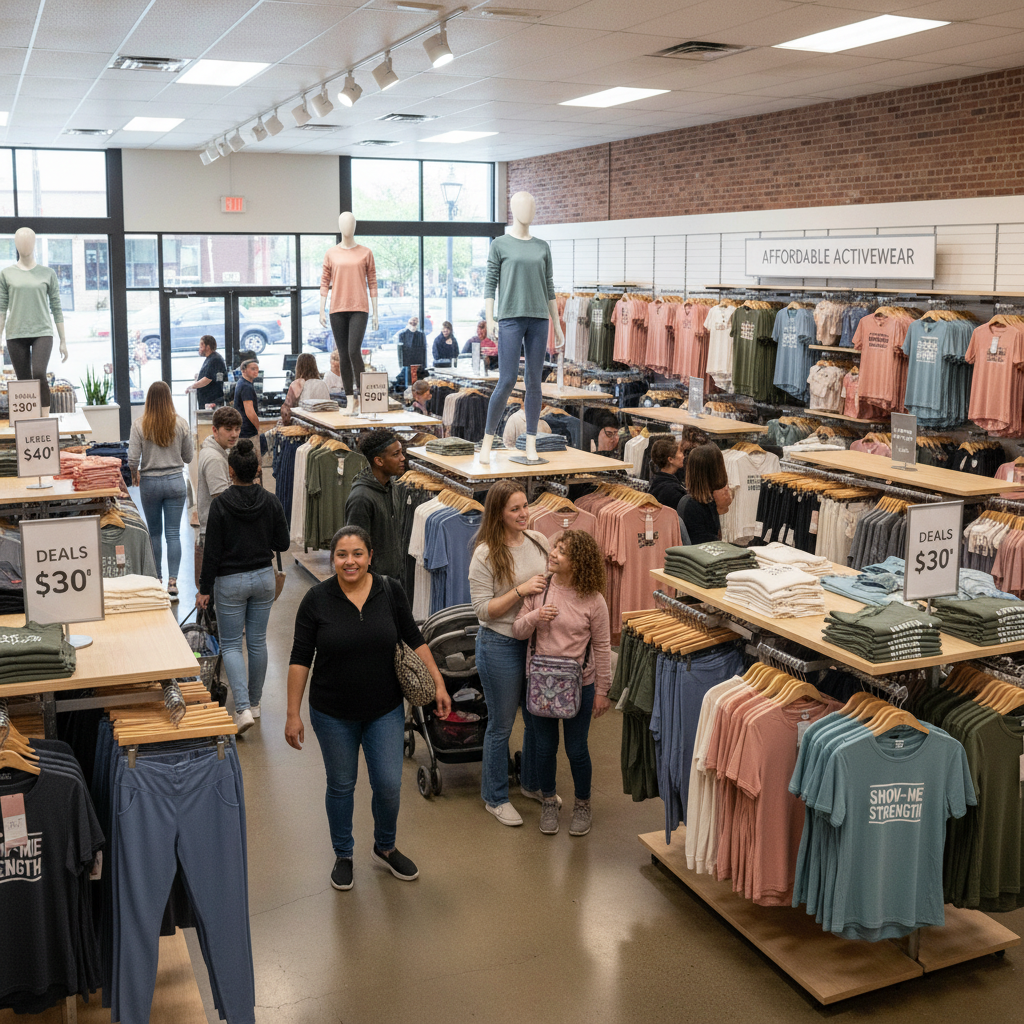
Bargain hunters are looking for deals—waiting for markdowns, using loyalty schemes, and scouring discount websites like Poshmark and Mercari to buy Lululemon clothing at a lower price.
2. Turning to Value Alternatives
Merchants like Athleta, Old Navy, Amazon Essentials, and local department stores are getting in on the action for offering functional, fashionable workout clothes at lower prices.
3. Purchasing Secondhand
Second-hand websites and local resale stores in cities like Columbia and Kansas City are seeing greater demand for quality second-hand Lululemon products.
4. Local Retail Shopping
Shoppers are also turning to Missouri-based fitness and fashion boutiques that provide more personalized service and similar prices on athletic wear.
Brand and Retail Responses
Lululemon and other high-end activewear firms are implementing some dramatic changes to respond to the shifting market:
Offering More Discounts
Holiday sales, member-only discounts, and flash sales are becoming the new trend as companies strive to entice budget-buying consumers.
Inflating Product Lines
Less intricate designs and mid-range collections are being introduced to open up to more consumers without compromising brand identity.
Shifting Marketing Strategies
Rather than touting luxury, brands are touting the durability, versatility, and performance value of their products to charge premium prices.
What’s Next for the Athleisure Market in Missouri?
Though more premium brands may suffer a short-term dip, the broader activewear market remains healthy. Forecasts by analysts include:
1. Continued Rise of Low-Cost Activewear
Lower-priced exercise clothing will keep growing in popularity, especially among younger consumers and families who want to save cash.
2. Rise of Sustainable and Ethical Brands
Missouri shoppers are more and more are concerned with the environment. Activewear made from recycled materials or produced in ethical manufacturing plants may become even more popular.
3. Focus on Value Rather Than Labels
Value-driven decision-making is taking the place of brand loyalty. Longevity, feel, and fit trump designer labels—especially during economic hardship.
Conclusion
As Lululemon grapples with declining demand, Missouri shoppers are adapting with intelligent, value-driven solutions. From thrift store finds to bargain shopping and supporting local shops, shoppers are being resourceful within a shifting economic landscape.
The athleisure market is not shrinking—it’s shifting. In order to stay in the game, brands must respond with affordability, transparency, and innovation aligned with today’s shopper needs.