- calendar_today August 10, 2025
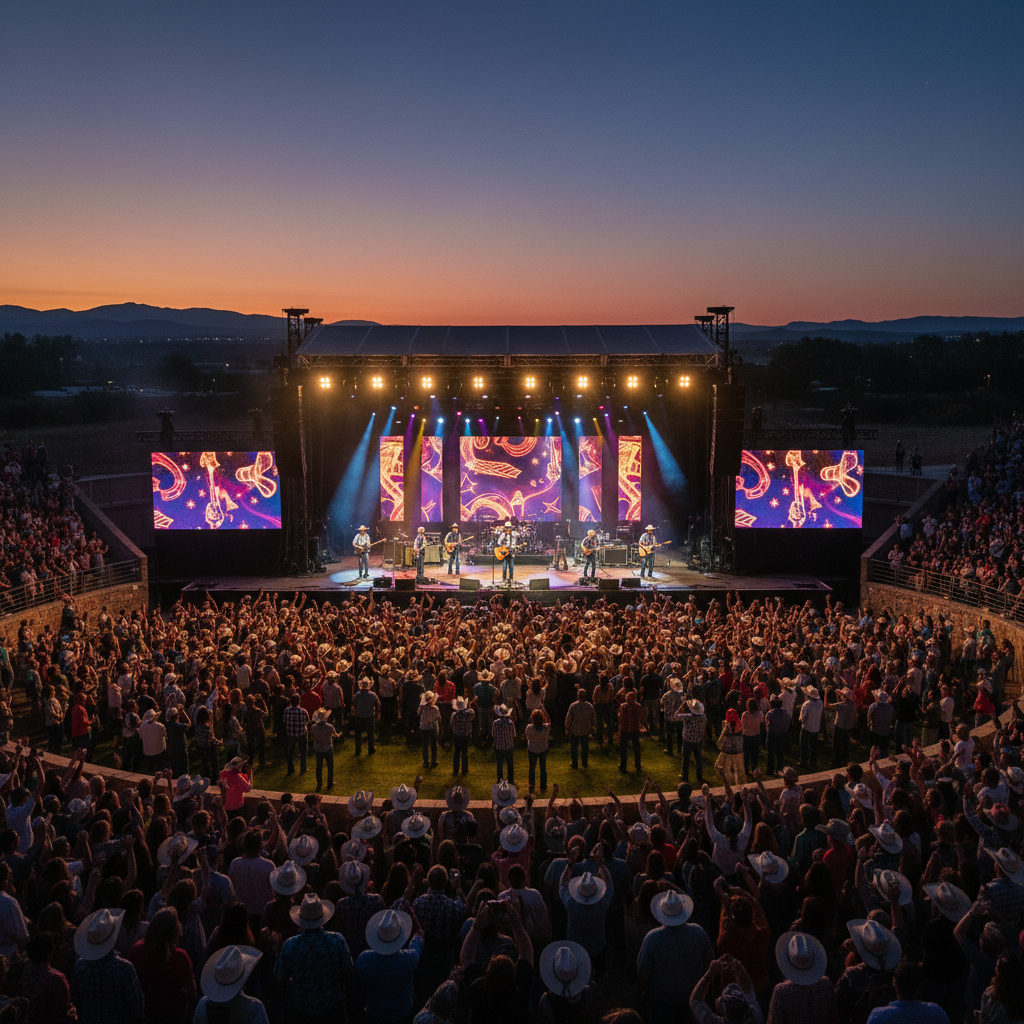
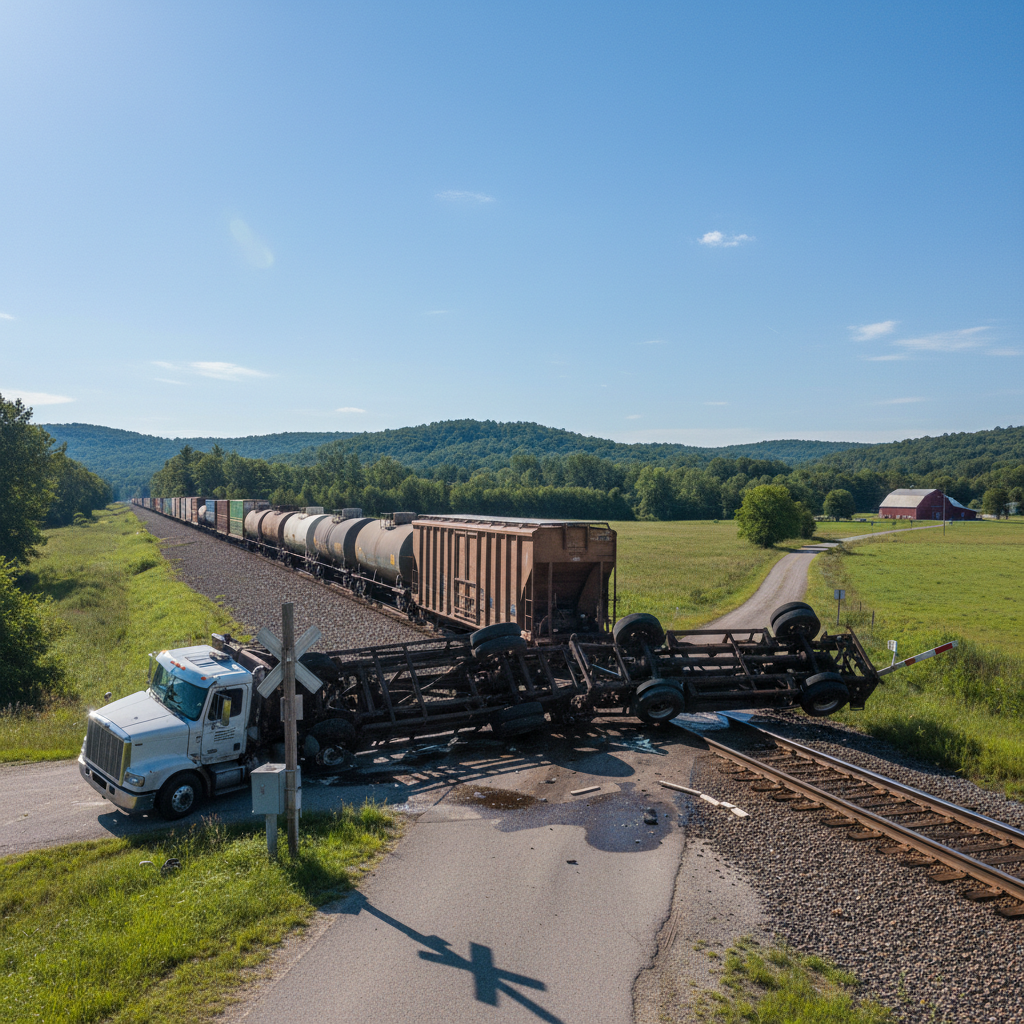
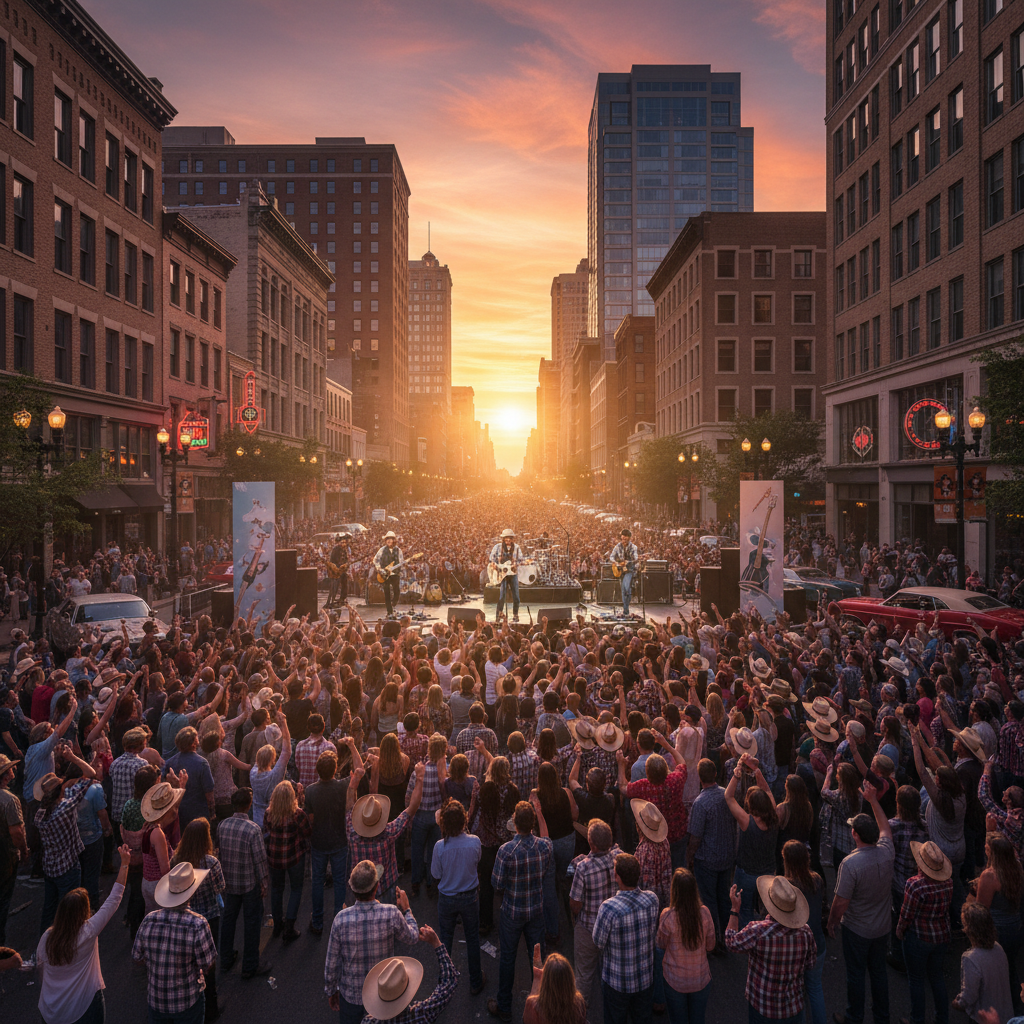
The ChatGPT platform now includes “Images in ChatGPT,” a groundbreaking feature for direct image creation within its interface, as announced by OpenAI. The new GPT-4o model powers a breakthrough feature that lets users create images during their chats with ChatGPT, which represents a major advance in AI content creation.
The “Images in ChatGPT” feature has been developed to provide equal access to advanced image generation functionality across every ChatGPT subscription option, including Plus, Pro, Team, and the free version. OpenAI spokesperson Taya Christianson stated that free tier users will experience similar usage constraints to DALL-E 3, which allows for about three images per day but these restrictions can change depending on user demand. The company guarantees DALL-E users ongoing access through a specialized GPT model.
OpenAI research lead Gabriel Goh described GPT-4o as an “omnimodal” foundation with the ability to process various data forms like text, images, audio, and video. The model now features improved “binding” functions, which solve widespread issues faced by AI systems in generating images. GPT-4o demonstrates superior performance by accurately managing 15 to 20 objects without confusing colors and shapes, unlike earlier models that frequently encountered such issues.
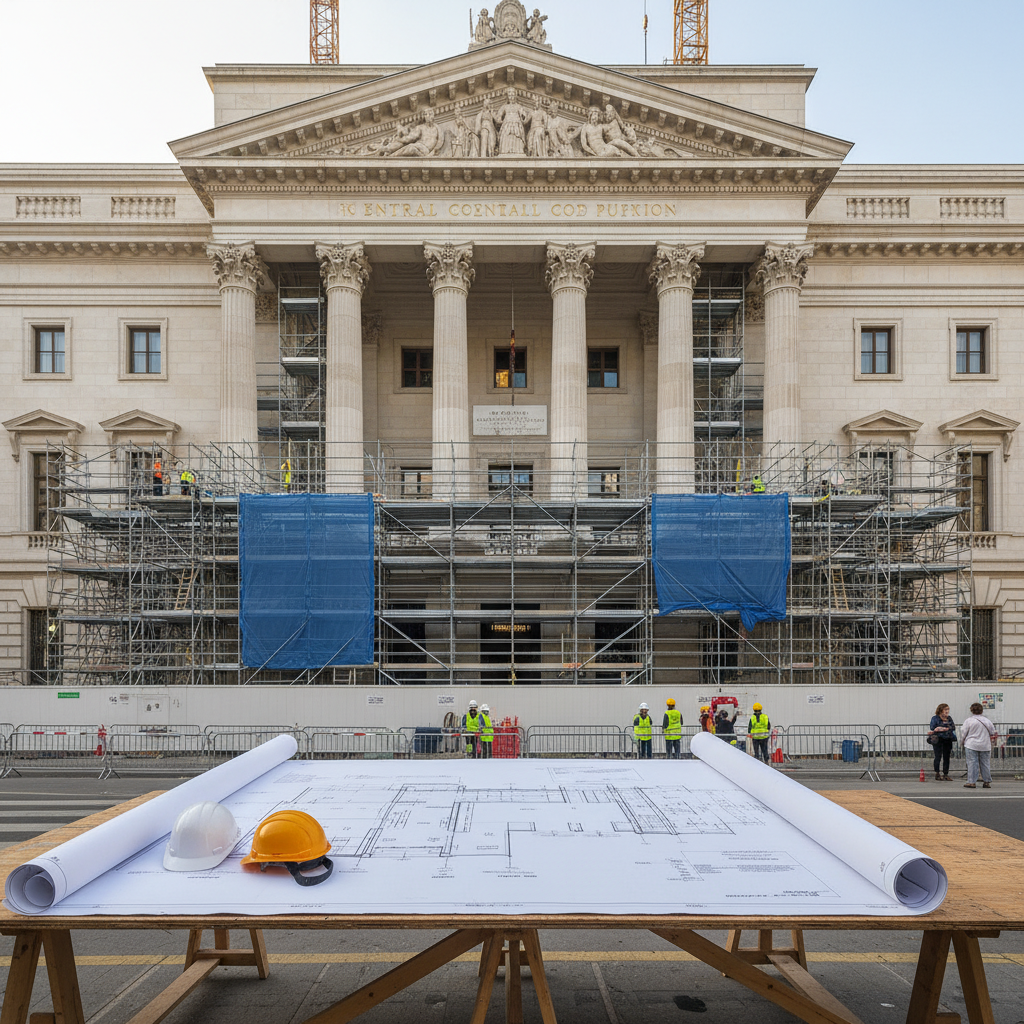
The model demonstrates exceptional text rendering as one of its primary advancements. AI-generated images have traditionally displayed text that is either scrambled or completely meaningless. Goh described the extensive development process as a lengthy iterative journey that required many months to perfect. The team admits that perfect text rendering does not exist yet, especially for small elements, but has developed a reliable consistency level for text image usability.
The system’s architecture departs from common diffusion models by utilizing an autoregressive technique. The sequential generation technique that produces images from left to right and top to bottom mimics text generation processes and is believed to enhance text rendering and binding functions.
OpenAI presented its system’s multiple capabilities, which encompassed generating scientific diagrams such as Newton’s prism experiment with precise labels and creating multi-panel comics that maintain character and dialogue consistency alongside designing informational posters with exact text. The presentation included practical demonstrations for creating transparent background images intended for both stickers and restaurant menus, as well as logos.
During the presentation, Jackie Shannon, who leads multimodal products at ChatGPT, focused on how the system taps into vast world knowledge. Drawing an image requires me to operate within the bounds of my personal abilities, yet I approach this task by utilizing every bit of world knowledge I have amassed. The model applies world knowledge within its framework so users can directly request an image of Newton’s prism experiment without needing to define it.
According to OpenAI, the improved quality and capabilities of their image generation system make the longer processing time worthwhile. Shannon explained that although latency needs improvement, the superior image quality combined with enhanced capabilities and world knowledge compensates for the extra waiting time.
Safeguards and User Ownership: Ensuring Responsible AI Image Generation
OpenAI expressed its commitment to robust safeguards to address misuse concerns. The system has been built to block sexual deepfakes and to deny CSAM requests while protecting watermark integrity. All generated images will carry standard C2PA metadata to identify them as OpenAI creations even though they lack visual watermarks. The company maintains proprietary tools to verify images internally.
According to Shannon, although perfection in these systems is unattainable, we persistently develop better protections and consider this the initial phase of our work. Users retain full ownership of ChatGPT-generated images and can use them in any way they prefer, provided they follow our usage guidelines.
OpenAI is advancing its primary product capabilities via “Images in ChatGPT” while simultaneously expanding the frontiers of AI-enabled creative expression by providing users with a strong visual expression tool within their chat interface. OpenAI demonstrates its dedication to user experience enhancement through this new feature while taking steps to address possible dangers related to advanced AI image generation technology. The commitment to better binding methods and text rendering, combined with safety measures, demonstrates the developers’ dedication to producing a powerful yet responsible tool.