- calendar_today August 10, 2025
In 2025, the United States implemented a new round of significant tariffs, including a 104% tariff on Chinese imports and a 25% tariff on foreign-made automobiles. These tariff measures have sent shockwaves through global markets, and Missouri—home to a wide range of industries, from manufacturing to agriculture—is feeling the effects.
Following the tariff announcements, financial markets reacted swiftly. The Dow Jones dropped by over 2,200 points, and the S&P 500 fell nearly 10%, creating an atmosphere of uncertainty for investors. For Missouri, an economy deeply tied to agriculture, automotive manufacturing, and technology, the immediate impacts are being felt across multiple sectors. This article delves into how these tariffs are reshaping Missouri’s economy and offers actionable insights for investors to navigate the evolving market conditions.
The Economic Impact of Tariffs on Missouri’s Key Sectors
Missouri’s economy relies heavily on agriculture, manufacturing, and technology. The tariffs are affecting these industries in different ways, creating both challenges and opportunities for local investors.
Manufacturing and Automotive Industry
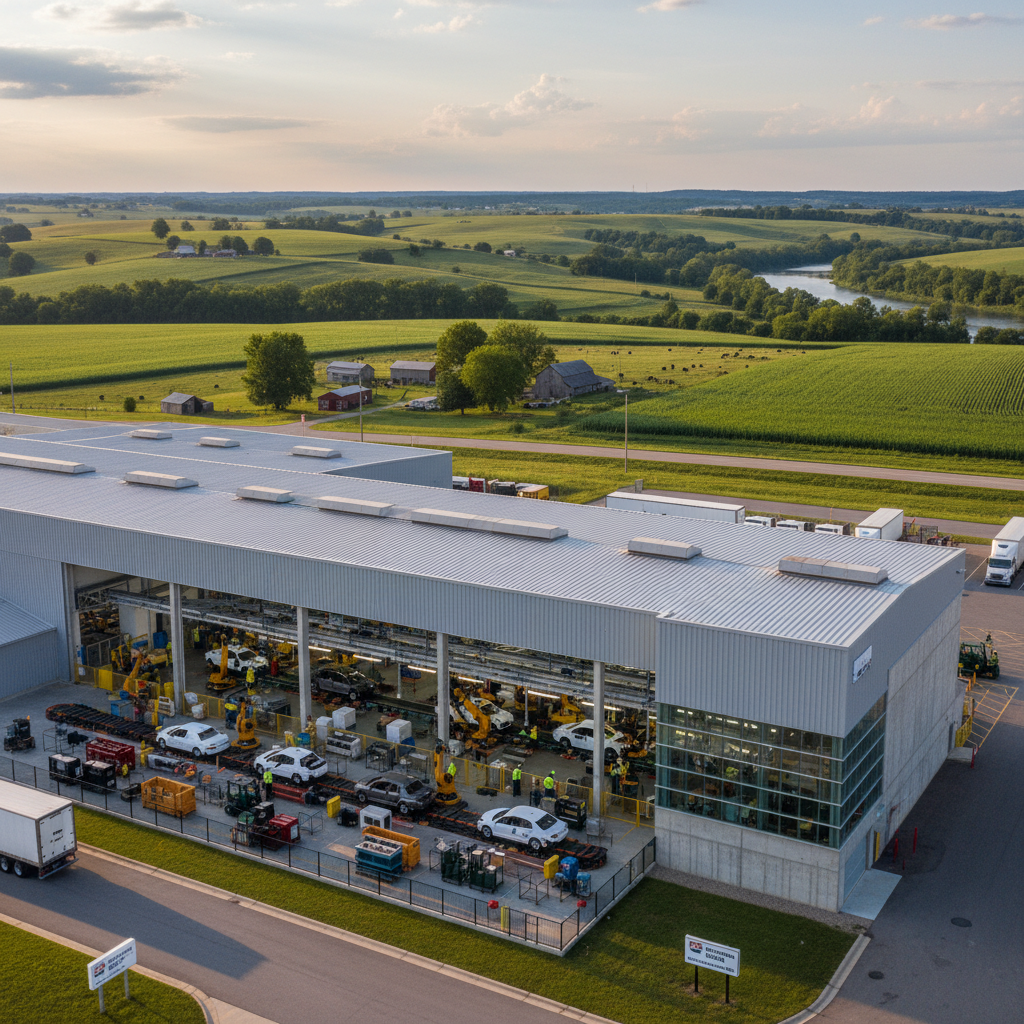
Missouri has a strong manufacturing base, particularly in the automotive and machinery industries. Major manufacturers like Ford, General Motors, and Toyota have significant operations in the state. The 25% tariff on foreign automobile parts is directly impacting Missouri’s automotive industry, raising the cost of production for automakers. These increased costs are likely to be passed on to consumers, which could slow car sales and reduce the growth of the sector.
Additionally, the 104% tariff on Chinese imports is raising the price of materials and components needed by manufacturers. This could put pressure on Missouri’s industrial companies, which rely on affordable imports for raw materials. The ripple effect of these tariff-related price increases could affect companies in machinery, electronics, and defense contracting sectors, slowing growth and creating volatility for local manufacturers.
For investors in Missouri’s manufacturing sector, the key challenge is managing increased production costs and delays. However, these disruptions could present opportunities for companies that embrace reshoring, bringing manufacturing back to the U.S. to reduce reliance on foreign imports. Investors should look for companies that are leading the way in reshoring and streamlining their supply chains.
Agriculture and Raw Materials
Missouri is one of the largest agricultural producers in the U.S., with key exports including soybeans, corn, pork, and cattle. The 34% tariff on U.S. agricultural products imposed by China has had a significant impact on Missouri’s farmers. While China has been a major buyer of Missouri’s agricultural exports, the trade conflict has disrupted this flow, leading to decreased demand and falling prices for key commodities.
The U.S. Department of Agriculture projects agricultural exports for FY2025 to reach $170.5 billion, slightly higher than 2024 but still far below pre-tariff expectations. For Missouri farmers, this means financial strain as they compete with other global suppliers for market share. Soybean and pork exports are particularly affected, as China shifts its purchasing to countries like Brazil and Argentina.
For agricultural investors in Missouri, the challenge is to adjust expectations and monitor shifting global markets. Opportunities may arise in sectors focused on domestic food supply chains, sustainable farming practices, or organic produce, which could offer more resilience against global price fluctuations.
Technology and Innovation
Missouri’s technology sector, although smaller than other regions, is growing rapidly, particularly in areas like fintech, biotechnology, and software development. The 25% tariff on semiconductor imports has affected technology companies across the U.S., and Missouri is no exception. Companies that rely on foreign-made components for their products, such as advanced manufacturing technologies or electronic devices, are facing rising costs.
Tech firms in Missouri may be forced to raise prices, slowing growth and reducing consumer demand for high-tech products. Investors should monitor how Missouri-based tech companies adapt to these cost increases, especially those involved in hardware and consumer electronics. Firms that are investing in reshoring or transitioning to more cost-effective local production may provide opportunities for long-term growth.
What Missouri Investors Should Do
Given the challenges posed by the tariffs, it’s essential for Missouri investors to adapt their investment strategies. Here are several actions to consider:
- Diversify Across Resilient Sectors
With manufacturing and agriculture facing uncertainty, diversifying into more resilient sectors, such as renewable energy, infrastructure, and healthcare, can help protect against tariff-related disruptions. These sectors are less reliant on global supply chains and are expected to offer more stability during periods of economic volatility. - Hedge with Safe-Haven Assets
The market volatility caused by tariffs calls for investors to allocate portions of their portfolios to safe-haven assets like gold, real estate investment trusts (REITs), and inflation-protected securities (TIPS). These investments tend to perform well when market uncertainty is high and provide a hedge against inflationary pressures. - Focus on Domestic Manufacturing and Reshoring
The tariffs could push U.S. companies to bring manufacturing back to the U.S., which could benefit Missouri’s manufacturing sector. Investors should look for opportunities in industries like automotive manufacturing, machinery, and clean energy that stand to benefit from reshoring trends. Companies involved in reshoring could see long-term growth as they reduce dependence on foreign imports. - Monitor Agricultural Market Shifts
With reduced demand for agricultural exports, Missouri investors in farmland and agriculture-related stocks should remain cautious. However, diversifying into more resilient agricultural sectors, such as organic farming or alternative crops, could provide a hedge against future uncertainties. Additionally, focusing on sustainable farming practices may offer growth opportunities as demand for these products continues to rise.
Opportunities in a Shifting Economic Landscape
While the 2025 tariffs have created short-term disruptions in Missouri’s economy, they also present opportunities in the long term. The drive toward reshoring, the increasing focus on domestic manufacturing, and the growing demand for clean energy technologies are all expected to create growth in Missouri’s key sectors.
For now, the key for Missouri investors is flexibility and diversification. By staying informed about the evolving trade landscape, focusing on resilient industries, and investing in reshoring efforts, investors can position themselves for success in this shifting environment.